El Niven - El Nevermind
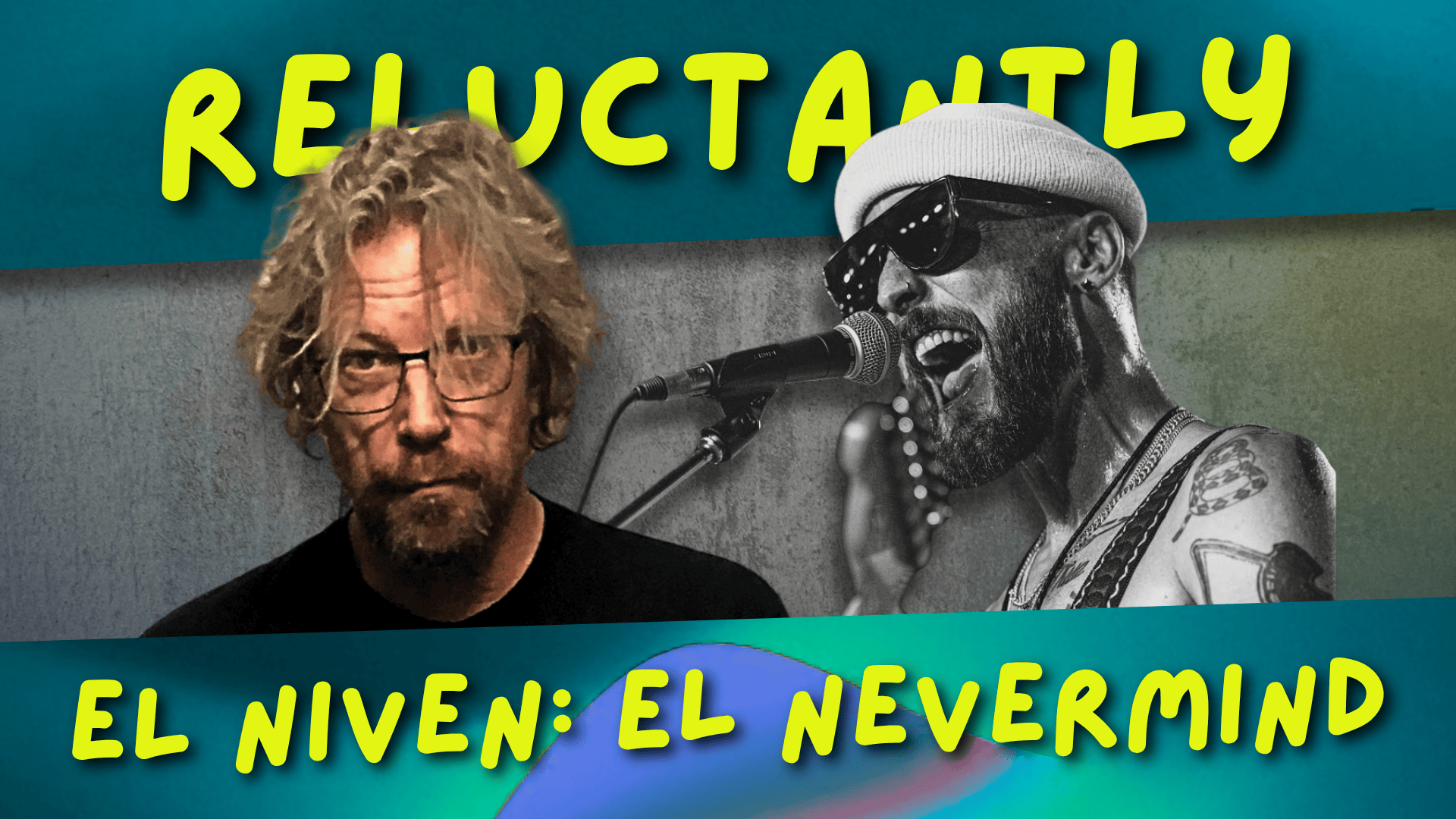
The Story of Nirvana, CCR, and Live Music: An Intimate Conversation with L. Niven
Are you curious about how musicians craft tribute shows that tell compelling stories while delivering unforgettable performances? Or how the journey through music, sobriety, and live entertainment intertwines? I sat down with EL Niven — a talented artist who's been carving out a unique space with his tribute shows, especially "The Story of Nirvana." We explored everything from stage stories and behind-the-scenes insights to the realities of life as a touring musician, and how music can be both a passion and a therapy. Whether you're a long time fan, aspiring musician, or simply love stories about life on the road, this conversation shines a light on what it really takes to bring legendary bands' stories to life on stage, connecting deeply with audiences.
One of the most fascinating parts of our conversation was how tribute acts like "The Story of Nirvana" and CCR revamp their approach to storytelling and performance. Unlike typical covers, these shows blend music with narrative, creating an immersive experience that educates and entertains.
EL Niven describes how their tribute to Nirvana isn’t just about playing hits — it's about weaving the band’s story through carefully chosen songs and personal anecdotes. For instance, the set includes not only the popular tracks but also stories behind the songs, like "About a Girl," which fans often think is a tribute to a particular person, but actually is inspired by Kurt Cobain's experiences. He mentions that the show includes moments explaining the narrative of Nirvana — how Kurt Cobain's songwriting reflected his struggles, and how the band’s story is both tragic and inspiring. He aims for the audience to get a full picture, from the band's rise to its untimely end, but always emphasizing the legacy and influence.
Creating these performances involves extensive research. Graham Neal, the producer, helps script stories that balance facts with engaging storytelling. While contacts with band members like Dave Grohl or Chris Novacek aren’t feasible, the richness of available documentaries, interviews, and archival footage makes it possible to craft an authentic experience. You'll hear stories about Pat Smear’s encounter in London, which adds a personal touch that resonates with fans. These details help deepen the connection, making the tribute not just musical, but educational — a way to honor and share the stories of legends.
Beyond the stage, the conversation dives into the realities of touring, the struggles with the industry, and maintaining sobriety. There are stories of touring in a classic RV, living on the road from places like Toronto to New Orleans and across the US in a "Breaking Bad" style RV. From sleeping in Walmart parking lots to negotiating border crossings — their experiences highlight both the rawness and camaraderie that come with life as independent musicians.
El’s journey through sobriety is equally compelling. He shares how treatment and meditation, like a 10-day silent retreat, helped him reset and stay clean while navigating the pressures of performing live. His insight is that sobriety requires intentional effort, especially when your vocation puts you face-to-face with temptation every night. He explains that meaningful downtime often poses the greatest risk for relapse, but having other pursuits — like his project "The Story of Nirvana" or working as a community worker — provide purpose and distraction. His commitment to sobriety for nearly 17 years demonstrates that life after addiction is possible, even in the high-octane world of live music.
Music serves as both a career and a form of therapy in our conversation. EL emphasizes how playing live, writing songs, and even busking in the streets offers a cathartic outlet that helps manage stress, boredom, and emotional lows. He mentions that the instant gratification from performing — like the rush on stage or the applause from an audience — becomes addictive but also difficult to replace once touring ends. The "high" of a great show can lead to a craving for more validation, sometimes fueling a cycle that’s hard to break.
El talks about how significant moments — such as participating in a Buddhist silent meditation or working in grassroots community programs — help him stay grounded. These practices reinforce the understanding that music, while a powerful tool for expression, must be balanced with other aspects of life. He also highlights how the current landscape provides opportunities for musicians via social media and online platforms, which can diversify income streams and reduce dependence on live gigs, making the career sustainable and healthier.
From the raw stories of touring experience to the intricate work of crafting tribute shows, our discussion reveals the profound relationship between music, storytelling, and personal resilience. El’s journey reminds us that behind every song and every stage performance lies a story of struggle, passion, and perseverance. If you're passionate about music or storytelling, take note: the craft involves deep research, authentic connection, and a willingness to share the real stories behind legends. And if you’re on your own journey of sobriety or personal growth, El’s insights offer encouragement — music can be both your refuge and your catalyst for transformation. here's the website www.enata.rocks

Romi Mayes - Bourbon Voice

